
Are you struggling to lose weight despite eating healthy and exercising regularly? Have you considered adding probiotics to your diet? Probiotics are live microorganisms that can offer a range of health benefits, including weight loss. In this article, we will explore the relationship between probiotics and weight loss and provide you with tips on how to incorporate them into your diet.
What are probiotics?
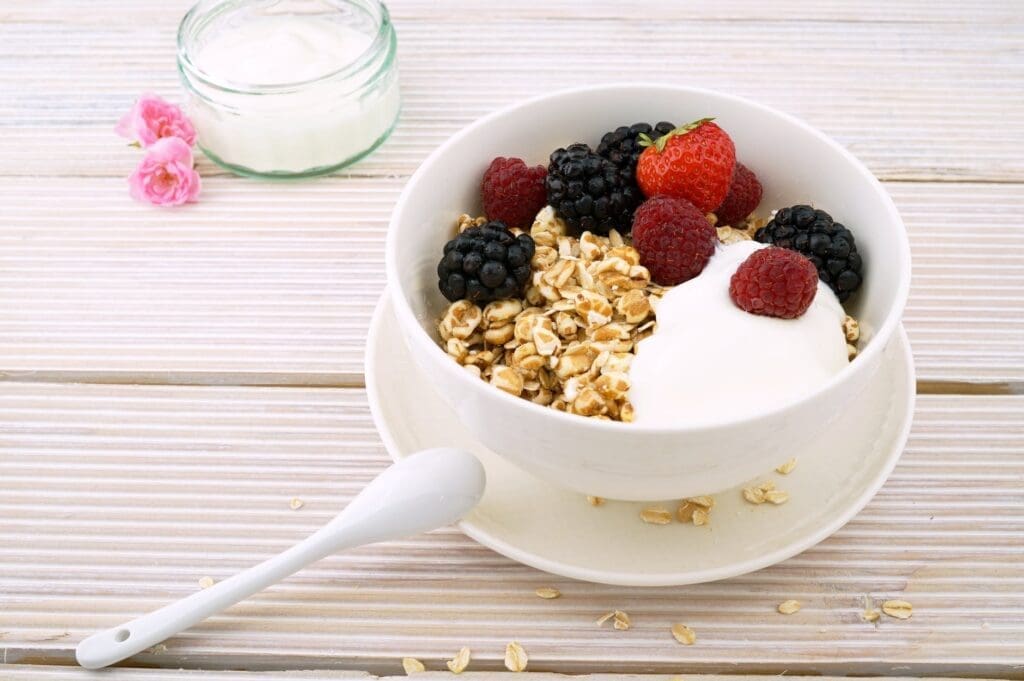
Probiotics are live microorganisms that can provide health benefits when consumed in adequate amounts. They are found in fermented foods such as yogurt, kefir, sauerkraut, kimchi, and kombucha, as well as in dietary supplements.
The different types of probiotics
Probiotics can be classified into different types based on their genus, species, and strain. The most common probiotics belong to the genera Lactobacillus and Bifidobacterium. Within each genus, there are multiple species, and within each species, there are multiple strains. Each strain of probiotic has a unique set of characteristics and health benefits.
How do probiotics promote weight loss?
The relationship between probiotics and weight loss is still being studied, but there are several ways in which probiotics may promote weight loss:

Regulating gut microbiota
Probiotics can help regulate the balance of bacteria in your gut microbiota, which may impact your metabolism and weight. Studies have shown that overweight individuals tend to have a different gut microbiota composition than lean individuals. By promoting the growth of beneficial bacteria, probiotics may help improve gut health and support weight loss.
Reducing inflammation
Chronic inflammation has been linked to obesity and other health issues. Probiotics may help reduce inflammation by modulating the immune system and reducing oxidative stress.
Increasing satiety
Probiotics may increase feelings of fullness and reduce hunger, leading to a decrease in calorie intake. They can also help regulate the hormones that control appetite, such as ghrelin and leptin.

Which probiotics are best for weight loss?
As mentioned earlier, there are many different types of probiotics, and each strain may have different health benefits. Here are some of the probiotic strains that have been studied for their potential weight loss benefits:
Lactobacillus gasseri
Lactobacillus gasseri is a species of bacteria that has been shown to reduce abdominal fat and body weight in several studies.
Bifidobacterium lactis
Bifidobacterium lactis is a strain of bacteria that has been shown to reduce body weight and fat mass in overweight adults.
Lactobacillus rhamnosus
Lactobacillus rhamnosus is a strain of bacteria that has been shown to reduce body weight and fat mass in several studies.
Streptococcus thermophilus
Streptococcus thermophilus is a species of bacteria that has been shown to reduce body weight and fat mass in overweight individuals.
How to incorporate probiotics into your diet
There are several ways to incorporate probiotics into your diet:
Eat fermented foods
Fermented foods such as yogurt, kefir, sauerkraut, kimchi, and kombucha are excellent sources of probiotics. Be sure to choose products that contain live and active cultures.
Take a probiotic supplement
If you don't consume enough probiotics through your diet, you can take a probiotic supplement. Look for a supplement that contains a variety of strains and at least 10 billion CFUs (colony-forming units) per dose.
Prebiotic foods
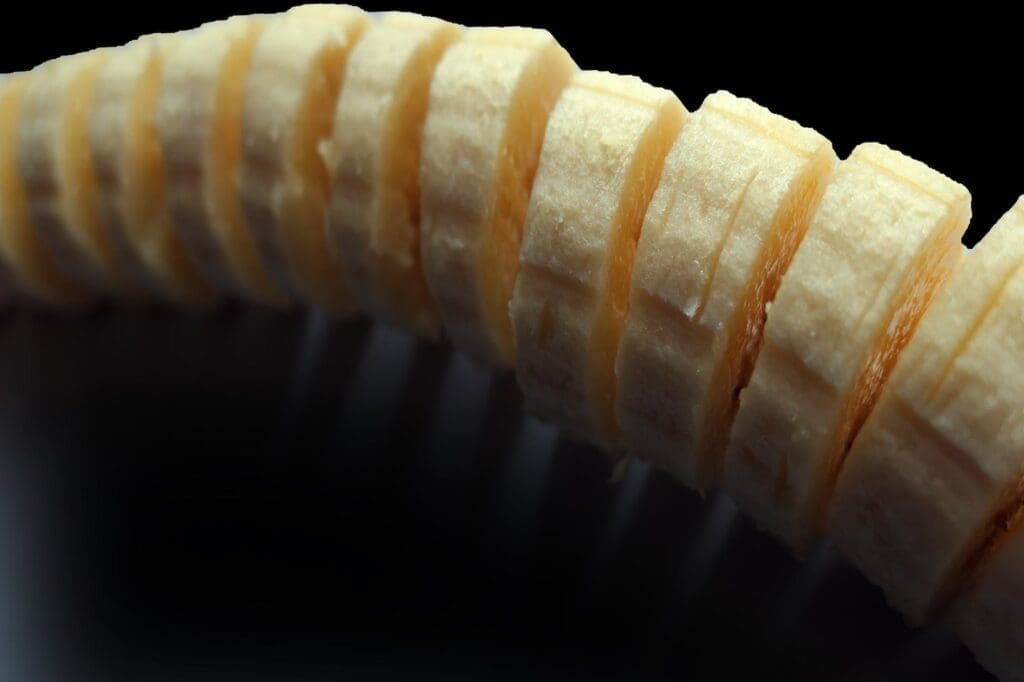
Prebiotic foods are foods that contain fiber that feeds the beneficial bacteria in your gut. Examples include asparagus, garlic, onions, bananas, and oats.
Tips for maximizing the benefits of probiotics
If you want to maximize the benefits of probiotics for weight loss, here are some tips to follow:
Pair probiotics with a healthy diet
Probiotics work best when combined with a healthy diet that is high in fiber, whole grains, fruits, and vegetables. Eating a balanced diet will help support the growth of beneficial bacteria in your gut.
Avoid processed foods and sugar
Processed foods and sugar can feed the harmful bacteria in your gut, which can lead to inflammation and weight gain. Try to limit your intake of processed foods and sugar to support a healthy gut microbiota.
Be consistent
Consistency is key when it comes to taking probiotics. It may take several weeks or months to see the full benefits of probiotics, so be patient and consistent with your probiotic intake.
Conclusion
Probiotics have the potential to offer many health benefits, including weight loss. By regulating gut microbiota, reducing inflammation, and increasing satiety, probiotics may help support a healthy weight. To incorporate probiotics into your diet, try eating fermented foods, taking a probiotic supplement, or consuming prebiotic foods. Remember to pair probiotics with a healthy diet and be consistent with your intake to maximize their benefits.

FAQs
- Can probiotics help with belly fat?
- Probiotics may help reduce belly fat by promoting the growth of beneficial bacteria in your gut microbiota.
- Are probiotics safe to take?
- Probiotics are generally safe to take, but it's important to choose a high-quality supplement and follow the recommended dosage.
- How long does it take to see the benefits of probiotics?
- It may take several weeks or months to see the full benefits of probiotics, so be patient and consistent with your intake.
- Can probiotics help with other health issues?
- Yes, probiotics may offer a range of health benefits, including improved digestion, immune function, and mental health.
- Can probiotics replace a healthy diet and exercise?
- No, probiotics should be used in combination with a healthy diet and exercise for optimal health and weight loss results.
