
Introduction
Ever heard the term “forex trader” and wondered, what on Earth does that mean? Well, you're in luck! In this article, we'll delve into the fascinating world of currency trading and answer the burning question, “What is a forex trader?” We'll cover the ins and outs of this profession, strategies used by successful traders, and the potential risks and rewards associated with it. So, buckle up and get ready for an exciting journey into the world of forex trading.
Who is a Forex Trader?
The Basics of Forex Trading
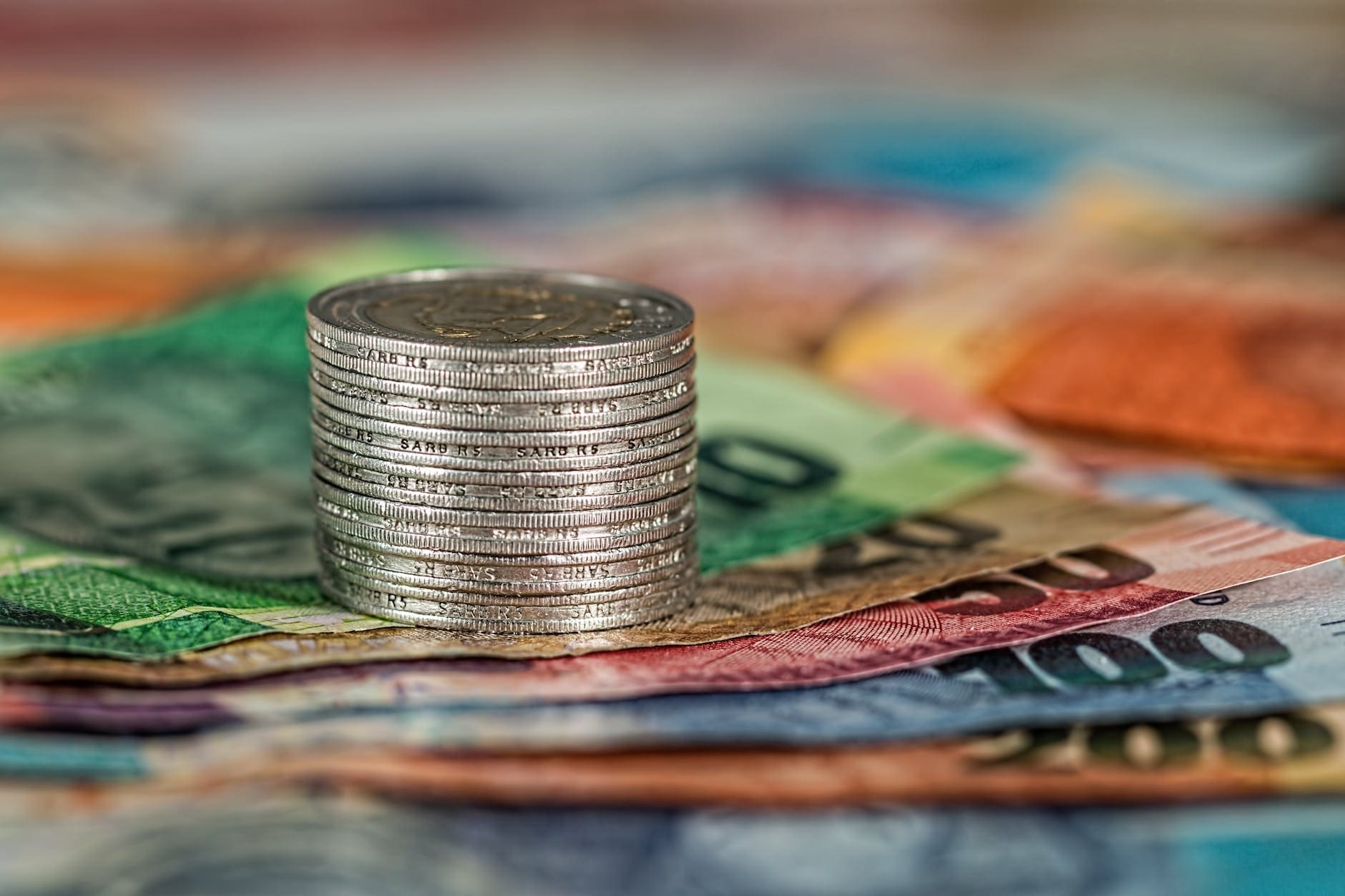
A forex trader, short for foreign exchange trader, is someone who buys and sells currencies on the global market. Forex trading is all about speculating on the fluctuations in currency values, hoping to make a profit from the ever-changing exchange rates.
Forex traders come in all shapes and sizes, from big-shot financial institutions like banks and hedge funds to individual retail traders who dabble in currency trading from the comfort of their own homes. But no matter the size or the level of expertise, all forex traders have one thing in common: they're in it to make some moolah!

Types of Forex Traders
There are several types of forex traders, each with their own unique strategies and risk tolerance levels. Here's a quick rundown of the most common types:
- Scalpers: These fast-paced traders look to make small, quick profits by opening and closing positions within minutes or even seconds.
- Day Traders: Day traders typically hold positions for a few hours or up to a day, aiming to capitalize on short-term market movements.
- Swing Traders: These traders hold positions for several days or weeks, seeking to profit from larger market trends.
- Position Traders: The long haulers of the forex world, position traders maintain their positions for months or even years.
What Makes a Forex Trader Tick?
Strategies Galore!
Now that we've answered the question, “What is a forex trader?” let's dive into the nitty-gritty of their trading strategies. There's no one-size-fits-all approach to forex trading, as each trader must develop a strategy that suits their personality, risk tolerance, and financial goals. Here are a few popular strategies used by seasoned forex traders:
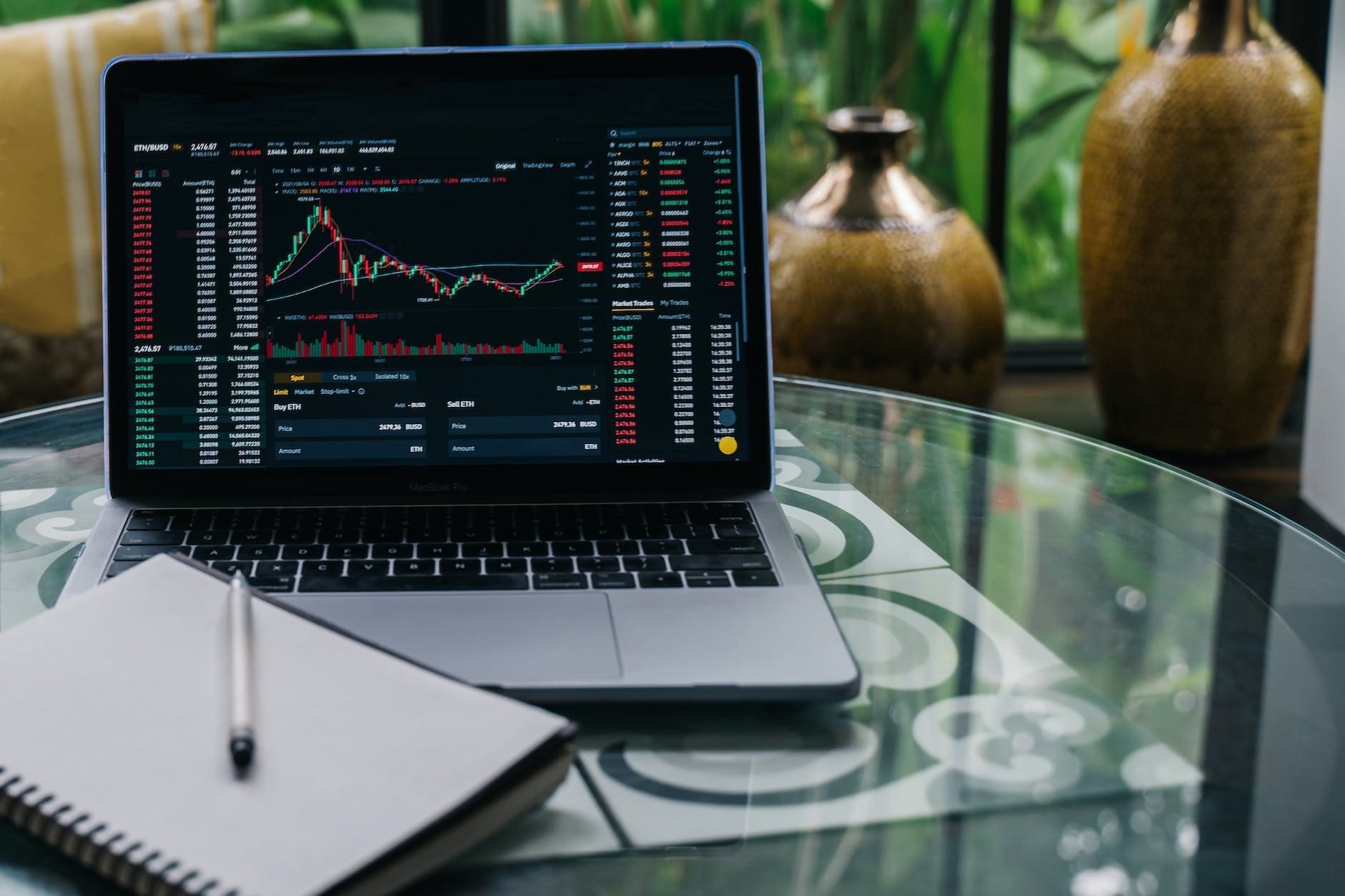
- Technical Analysis: Traders rely on charts, patterns, and technical indicators to predict future price movements.
- Fundamental Analysis: This strategy involves analyzing economic indicators, political events, and other factors that could influence currency values.
- Sentiment Analysis: By gauging market sentiment, traders can get a sense of whether currencies are overbought or oversold.
- Carry Trading: This strategy involves borrowing a low-interest-rate currency and using the funds to buy a high-interest-rate currency, profiting from the interest rate differential.
Risk Management: A Trader's Best Friend
A successful forex trader knows that risk management is the name of the game. By setting stop-loss orders, implementing position sizing, and keeping emotions in check, traders can minimize their losses and protect their hard-earned cash.
The Perks and Pitfalls of Forex Trading
The Upside
Forex trading offers several advantages that make it an attractive pursuit for many:
- High Liquidity: The forex market is the largest and most liquid financial market in the world, meaning there's always a buyer or seller available.
- 24/5 Market: The forex market is open 24 hours a day, 5 days a week, giving traders the flexibility to trade on their own schedule.
- Leverage: Forex brokers often offer leverage, allowing traders to control large positions with relatively small amounts of capital.
- Diverse Opportunities: With numerous currency pairs to choose from, traders can profit from various global economic events and trends.
The Downside
As with any investment, forex trading comes with its fair share of risks and challenges:
- High Leverage Risk: While leverage can amplify profits, it can also magnify losses if a trade moves against the trader.
- Market Volatility: Sudden and unexpected price swings can lead to significant losses for unprepared traders.
- Limited Regulatory Oversight: The decentralized nature of the forex market means that there is less regulatory oversight, potentially leaving traders vulnerable to unscrupulous brokers.
- Emotional Challenges: The psychological aspects of trading, such as fear and greed, can lead to poor decision-making and potentially significant losses.

Conclusion
So, what is a forex trader? In a nutshell, a forex trader is someone who speculates on the fluctuations in currency values in the hopes of making a profit. Forex trading can be an exciting and potentially rewarding endeavor, but it's essential to approach it with a well-defined strategy, a solid understanding of the risks involved, and a commitment to ongoing learning.
By educating yourself about the world of forex trading and developing a sound risk management plan, you'll be well on your way to joining the ranks of successful forex traders. Just remember: there's no such thing as a sure bet in forex trading, so always trade responsibly and keep your eyes on the prize. Good luck!
Financial Disclosure: Trading Forex involves significant risk and may not be suitable for all investors. The high degree of leverage associated with forex trading can work against you as well as for you. Before deciding to trade forex, you should carefully consider your investment objectives, level of experience, and risk appetite. The possibility exists that you could sustain a loss of some or all of your initial investment and, therefore, you should not invest money that you cannot afford to lose. You should be aware of all the risks associated with forex trading and seek advice from an independent financial advisor if you have any doubts. Past performance is not necessarily indicative of future results. Any opinions, news, research, analyses, prices, or other information contained in this article are provided as general market commentary and do not constitute investment advice.
